
Poland localization for Microsoft Dynamics 365
ERP implementations often underestimate the ongoing burden of compliance. Systems quickly fall out of sync with local mandates, forcing finance teams into manual checks, higher penalty risks, and slow onboarding processes.
Quantum Omega Group brings control through automation in Microsoft Dynamics 365. We keep official data and regulatory logic continuously aligned—reducing manual effort, improving audit readiness, and creating transparency and efficiency from day one.
Global enterprises face increasingly complex compliance requirements due to rapidly changing tax legislation and diverse business models. With Microsoft Dynamics 365 Finance as your core ERP, the Advanced Sales Tax Framework (ASX) strengthens financial control by providing a robust and automated tax determination engine. It enhances standard tax capabilities, aligning with international best practices, local regulations, and operational transparency. Through reliable governance, real-time calculations, and automated compliance safeguards, finance teams reduce risk exposure, avoid penalties, and eliminate the cost of rework — fostering confidence in every financial transaction.

Tax regulations evolve continuously — from electronic invoicing mandates to region-specific reporting updates. ASX includes out-of-the-box globalization tools, regulatory content, and automated updates, so finance teams stay aligned with local laws and business practice requirements at all times. Free and recurring updates ensure that compliance remains active instead of reactive, eliminating costly delays or reliance on emergency fixes. Whether driven by legal reforms or organizational transformation, ASX ensures finance operations remain compliant, resilient, and strategically adaptable.
VAT Coefficient calculation provides a structured and reliable way to manage jurisdictions where only part of the VAT can be recovered. Instead of relying on manual percentage adjustments or isolated spreadsheets, the system applies the correct coefficient automatically during each settlement cycle. This ensures that recoverable VAT amounts fully align with regulatory limits and that financial documents consistently reflect the correct deductible portion.
By embedding coefficient rules directly into the tax framework, the system ensures that calculations remain consistent across all transactions and periods. Every adjustment is posted through standard ledger entries, giving finance teams full visibility into how each coefficient affects VAT recovery. This creates a transparent audit trail and removes the uncertainty that comes from individual interpretation or manual intervention.
Automating VAT Coefficient processing significantly reduces the administrative burden on finance teams. Month-end closings become smoother, as users no longer need to calculate or reconcile partial deductibility manually. The system ensures that every settlement automatically follows the approved ratio, improving compliance with local regulations and reducing the risk of misstatements that could trigger audit findings.


Over the medium term, organizations gain clearer insights into their tax position, smoother settlement cycles, and significantly fewer manual corrections. Automated VAT Coefficient calculation ensures that every reporting period ends with predictable outcomes, reducing the operational stress associated with partial deductibility scenarios. As processes become cleaner and more standardized, finance teams can focus on analysis and strategic work instead of reconciliation tasks.
In the long term, this automation becomes a core component of a scalable tax framework that supports expansion into new regions, higher transaction volumes, and more complex reporting structures. By maintaining consistent logic across years of operation, the system strengthens governance, reinforces audit reliability, and safeguards compliance as regulations evolve. Organizations benefit from durable financial accuracy, reduced risk exposure, and a more resilient infrastructure capable of supporting continuous growth. With automated VAT Coefficient logic in place, companies build a future-ready tax environment that operates efficiently—regardless of size, market complexity, or regulatory change.

Direct VIES integration allows instant VAT number validation in D365, ensuring fast compliance and reducing cross-border VAT risks.
Recurring batch checks minimize manual effort, while logs and status fields provide a clear audit trail across all relevant records.
Calculate tax for project transactions globally with instant, reliable results — keeping your financials correct and audit-ready.
Our enhanced FX Automation framework is designed to eliminate this challenge by automatically identifying and resolving reporting-currency discrepancies across the general ledger. Leveraging a combination of improved ledger settlement capabilities, advanced FX awareness features, and intelligent process automation, the solution ensures that all reporting-currency balances remain accurate, consistent, and audit-ready.
Finance teams gain immediate visibility into unbalanced accounts through enriched trial balance indicators, making it clear when reporting-currency deviations occur. From here, users can choose between manual settlement for isolated cases or fully automated settlement when discrepancies appear regularly. FX gains and losses can also be calculated and posted automatically, reducing manual intervention and strengthening compliance with accounting standards.
By automating these corrections, organizations achieve cleaner data, more reliable reporting, and a smoother month-end closing process. Manual checks and ad-hoc adjustments are replaced with structured, system-driven logic that minimizes human error and supports long-term financial governance. For entities working across multiple currencies, this ensures accurate performance insights, stronger internal controls, and continued alignment with both statutory and consolidation requirements. In short, our FX Automation framework empowers finance departments to maintain control, ensure accuracy, and focus on strategic activities rather than corrective transactional work.
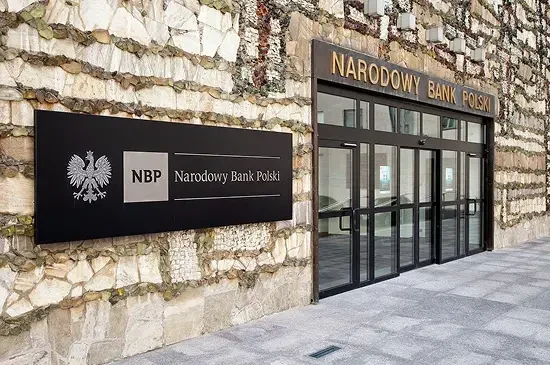
Integration with the National Bank of Poland ensures that your Microsoft Dynamics 365 system always uses the latest official exchange rates. This automation eliminates the need for manual input, reduces human error, and helps your finance team maintain compliance with Polish accounting standards. Invoices and transactions are calculated correctly and consistently, protecting your business from fines and audit risks while simplifying the day-to-day management of currency operations.
The Polish White List registry acts as a central reference for validating the tax and banking information of your business partners. Our solution integrates this service directly into Dynamics 365, so each transaction is automatically checked against the registry in real time. This proactive verification improves transaction reliability, builds trust in your vendor relationships, and guards against potential fraud or tax violations—right from the start of every interaction.

Connecting directly with the GUS (Central Statistical Office) web service, our solution enables companies to create customer and vendor profiles in Dynamics 365 using verified official data. This reduces manual entry, improves data accuracy, and ensures your master records stay compliant with regulatory expectations. The result is faster onboarding of partners and fewer inconsistencies across financial, sales, and supply chain operations.

Challenges to overcome in the Polish regulatory landscape
Manual currency updates expose businesses to errors and compliance issues.
Lack of real-time partner validation can lead to tax risks or blocked transactions.
Data inconsistency across systems hinders reporting and audit accuracy.
Limited localization awareness may delay deployment and increase project costs.

Beyond immediate efficiency gains, investing in localized automation for Poland builds a strong foundation for mid- and long-term success. In the medium term, businesses benefit from streamlined audits, enhanced internal controls, and a unified financial environment aligned with local legal frameworks. Over time, this translates into lower operational risk, greater scalability, and the ability to adapt quickly to evolving tax, compliance, or market demands. With Quantum Omega Group’s expertise and Microsoft Dynamics 365 solutions in place, your organization remains one step ahead—ready to face new regulatory shifts and business challenges with confidence, agility, and the technological upper hand.
Lead from the start


